All About Roof Solar
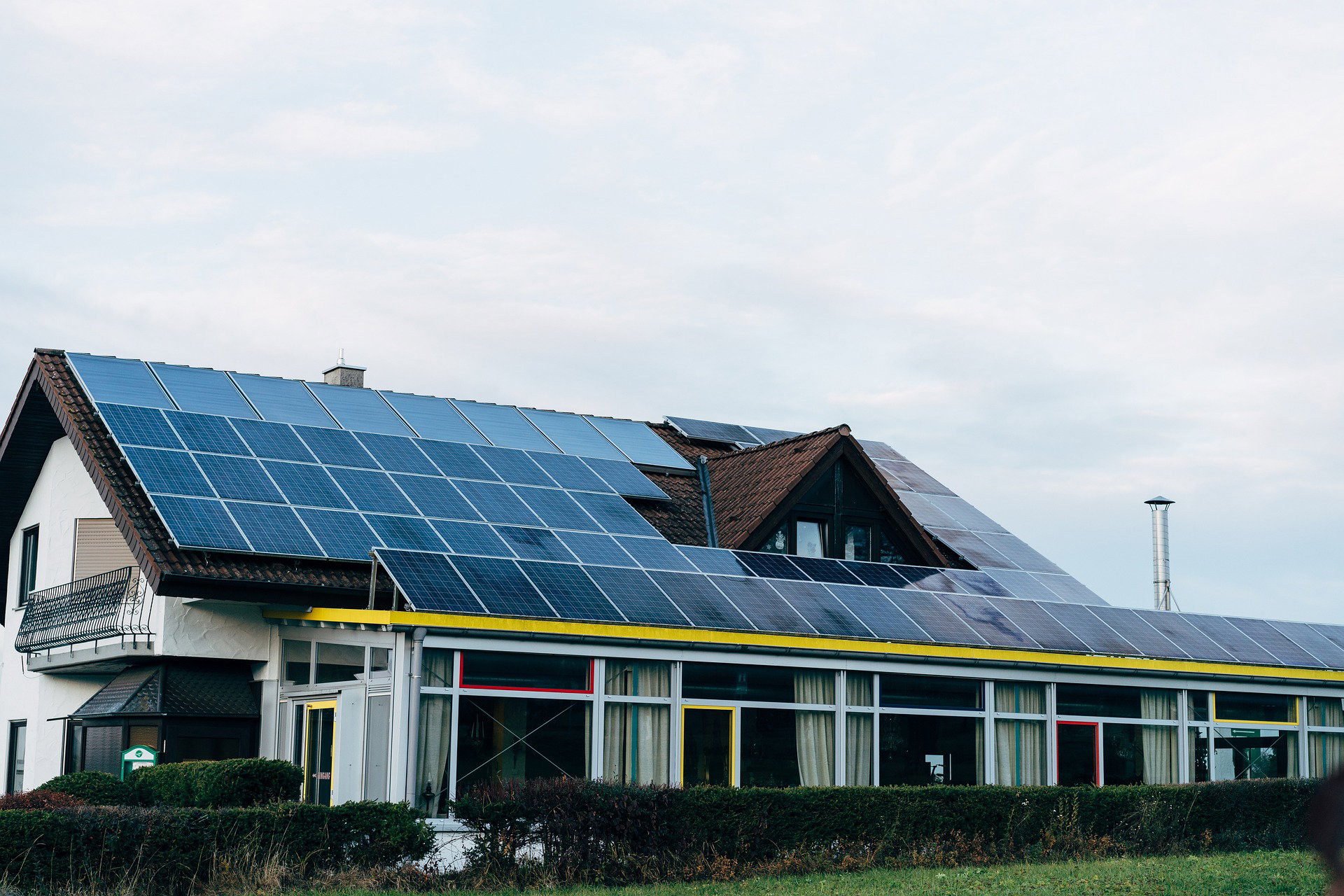
All About Roof Solar
As the world grapples with the urgent need to transition to clean and renewable energy sources, solar roofing has emerged as a promising solution. By harnessing the power of abundant sunlight, solar panels installed on rooftops provide numerous benefits, ranging from environmental advantages to financial savings. However, certain challenges and considerations need to be addressed to unlock the full potential of solar roofing. This article explores the benefits of solar roofing, highlights the associated challenges, and proposes policy recommendations to support its widespread adoption.
Benefits of Solar Roofing:
- Renewable Energy: Solar power relies on abundant sunlight, a sustainable energy source.
- Cost Savings: Solar panels can reduce or eliminate electricity bills over time.
- Return on Investment: Solar systems have a long lifespan and require minimal maintenance, providing financial returns.
- Environmental Benefits: Solar energy is clean, reducing carbon emissions and combating climate change.
- Energy Independence: Solar power reduces reliance on traditional energy sources and increases resilience.
- Incentives and Tax Credits: Financial support, such as tax credits, is often available for solar installations.
- Increased Property Value: Solar panels enhance property value and attract potential buyers.
- Job Creation: The solar industry creates green jobs and supports local economies.
- Reliability and Durability: Solar panels withstand weather conditions and provide consistent energy production.
- Educational and Community Impact: Solar installations inspire others, promote sustainable living, and contribute to local communities.
Challenges and Considerations:
- Cost and Financing: High upfront costs and limited financing options can deter customers from investing in solar energy.
- Regulatory Barriers: Complex regulations and permitting processes can delay projects and increase costs.
- Competition and Market Saturation: Increasing competition can lead to price pressure and reduced market share.
- Customer Education and Awareness: Lack of knowledge about the benefits of solar energy hinders demand.
- Maintenance and Reliability: Regular maintenance is required for optimal performance, and failure to provide it can result in dissatisfied customers.
- Grid Integration and Net Metering Policies: Integration with the electrical grid and inconsistent net metering policies can impact economic viability.
- Weather Dependence and Seasonal Variations: Solar energy production is affected by weather conditions and seasonal variations.
Policy Recommendations to Support Solar Roofing:
- Financial Incentives: Provide tax credits, grants, and subsidies to reduce upfront costs for businesses.
- Net Metering: Allow businesses to sell excess electricity back to the grid, providing a financial return on investment.
- Streamlined Regulations: Simplify administrative processes for installing solar panels on rooftops.
- Public Procurement: Lead by example and prioritize solar energy use in government-owned properties.
- Research and Development Funding: Invest in solar energy research and innovation.
- Training and Education: Provide programs to enhance skills in the rooftop solar industry.
- Collaborations: Foster partnerships with industry associations and educational institutions.
- Grid Integration: Upgrade infrastructure to support rooftop solar systems.
- Public Awareness: Launch campaigns about solar energy benefits and incentives.
- Long-Term Policy: Establish stable policies to encourage investment in rooftop solar.
By implementing these actions, we can support the solar roofing industry, promote renewable energy, and contribute to a sustainable future.