Solar Farm
"Advantages"
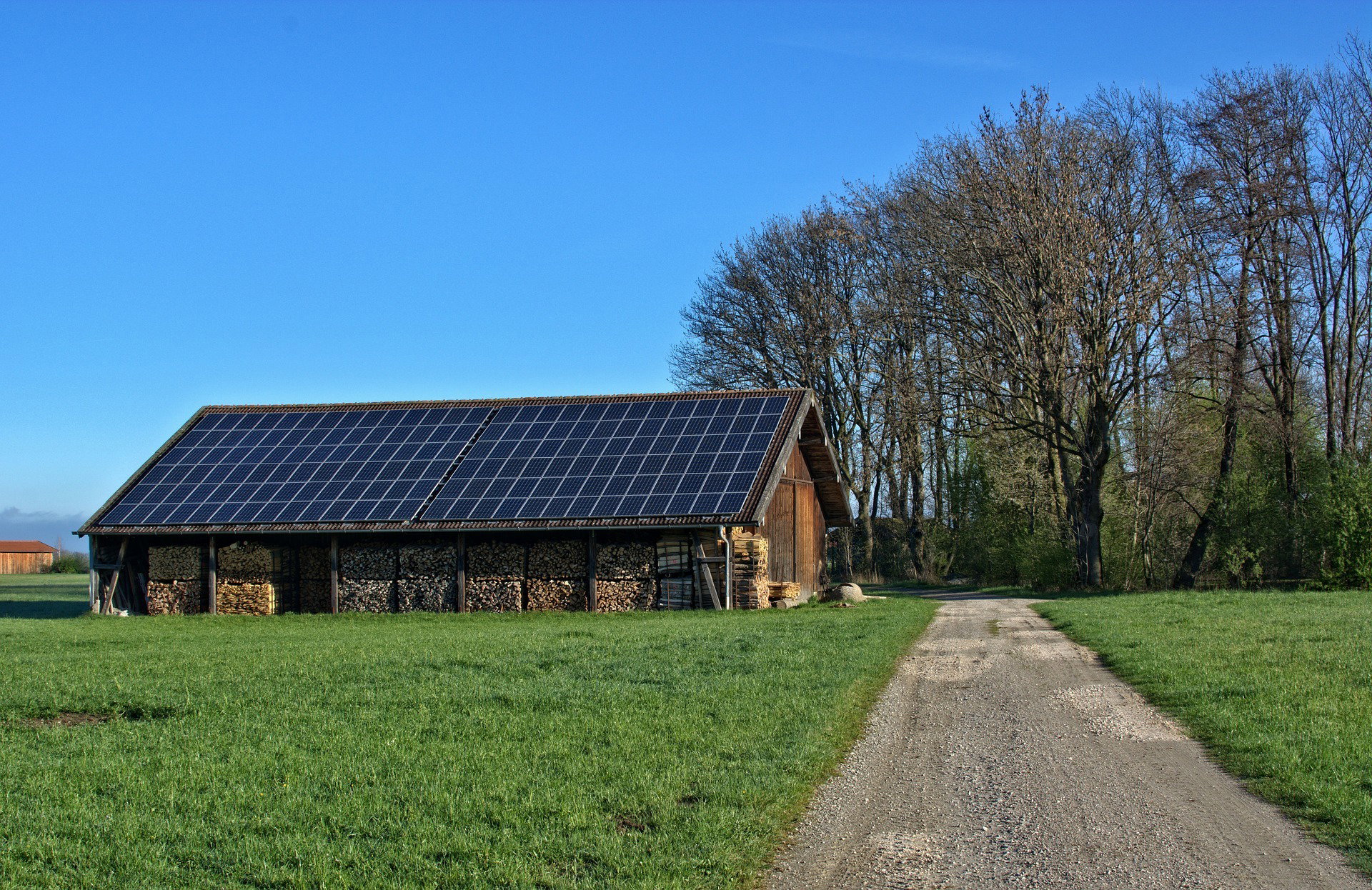
Solar farms, also known as solar power plants or solar parks, are large-scale installations of solar panels used to generate electricity from sunlight. Here are some advantages of solar farms:
- ·Renewable energy: Solar energy is a renewable energy source, which means that it can be replenished and will never run out. As long as the sun shines, solar energy can be harvested.
- · Clean energy: Solar energy is a clean source of energy, which means that it doesn't produce any harmful pollutants or greenhouse gases that can contribute to climate change or harm the environment.
- · Low operating costs: Once a solar farm is up and running, the operating costs are relatively low. There are no fuel costs, and maintenance requirements are minimal.
- · Reduced dependence on fossil fuels: Solar farms can help reduce our dependence on fossil fuels, which are a finite resource and contribute to climate change.
- · Job creation: The construction and maintenance of solar farms can create jobs in local communities, providing economic benefits.
- · Reduced transmission losses: Solar farms can be located closer to the point of consumption, which reduces the distance that electricity has to travel and minimizes transmission losses.
- · Modular and scalable: Solar farms can be built in a modular fashion, meaning that they can be expanded or reduced in size depending on the energy demands of a particular area.
- · Reliability: Solar farms can provide a reliable source of energy, particularly in areas with ample sunlight.
Overall, solar farms offer a number of benefits that make them an attractive option for generating electricity.
"Challenges and Problems"
While solar farms have many advantages, they do face certain challenges and problems. Here are some key challenges associated with solar farms:
- · Land Use and Location: Solar farms require a significant amount of land to install the solar panels. Finding suitable land that is both available and appropriate for solar development can be a challenge, particularly in densely populated areas or areas with competing land uses such as agriculture. Additionally, the location of solar farms needs to consider factors like solar resource availability, grid connectivity, and transmission infrastructure.
- · Intermittency and Energy Storage: Solar energy is intermittent, as it depends on sunlight availability. This can pose challenges for grid integration and stability, especially during cloudy or nighttime conditions. The need for energy storage solutions, such as batteries, to store excess energy generated during sunny periods for use during low solar generation periods is crucial but adds complexity and cost to solar farm projects.
- · Grid Integration and Infrastructure: Integrating large-scale solar farms into the existing electrical grid can be challenging. Upgrading and expanding transmission and distribution infrastructure may be necessary to accommodate the increased electricity generation from solar farms. This can involve significant costs and logistical issues, especially when connecting remote solar farms to the grid.
- · Cost and Financing: While the cost of solar panels has decreased significantly in recent years, the upfront investment required to establish a solar farm can still be substantial. Securing financing for solar farm projects, especially for smaller developers or in regions with limited financial support, can be a challenge. Additionally, ongoing operation and maintenance costs, as well as the potential for equipment degradation, need to be considered.
- · Environmental Impact and Land Use Conflicts: Although solar energy is considered a clean and renewable energy source, the construction and operation of solar farms can still have some environmental impacts. Large-scale land use for solar farms may result in habitat disruption, loss of agricultural land, or disturbance of natural landscapes. Addressing these environmental concerns and potential conflicts with local communities or stakeholders is important for sustainable solar farm development.
- · Regulatory and Policy Challenges: Solar farms must navigate various regulatory and policy frameworks, including permitting processes, grid interconnection procedures, and compliance with environmental regulations. Inconsistent or unclear regulations and policies can create barriers and delays for solar farm development, requiring developers to engage in extensive planning and coordination efforts.
- Maintenance and Recycling: Solar panels require regular maintenance, including cleaning, monitoring, and potential replacement of damaged or worn-out components. Developing efficient maintenance strategies and ensuring the proper recycling and disposal of solar panels at the end of their lifespan are important considerations for sustainable solar farm operations.
It's worth noting that while these challenges exist, many of them can be mitigated or addressed through technological advancements, supportive policies, and collaboration between stakeholders. As the solar industry continues to evolve, efforts are being made to overcome these challenges and unlock the full potential of solar energy.
"Government Support"
Governments can take several steps to support solar farms:- · Implement favorable policies: Governments can establish supportive policies such as feed-in tariffs, tax incentives, grants, and subsidies for solar farm development. These measures can help reduce the upfront costs and encourage investment in solar energy.
- · Streamline permitting processes: Simplifying and expediting the permitting and approval processes for solar farms can significantly reduce the time and cost required for project development. Governments can create streamlined procedures and provide clear guidelines to facilitate the installation of solar farms.
- · Provide financial assistance: Governments can offer low-interest loans or financial assistance programs specifically tailored for solar farm projects. These initiatives can help developers access capital at affordable rates, reducing financial barriers and making solar projects more financially viable.
- · Invest in research and development: Governments can allocate funds for research and development initiatives focused on solar energy technologies and efficiency improvements. These investments can drive innovation, cost reductions, and technological advancements in the solar industry, making solar farms more economically competitive.
- · Support grid integration: Governments can promote the development of smart grid infrastructure and energy storage systems to facilitate the integration of solar farms into the existing electrical grid. By investing in grid upgrades and supporting energy storage projects, governments can enhance grid stability and accommodate the intermittent nature of solar energy.
- · Provide education and training: Governments can invest in educational programs and training initiatives to develop a skilled workforce in the solar industry. By providing training opportunities, governments can create job prospects and support the growth of the solar energy sector.
- · Collaborate with stakeholders: Governments can foster collaboration between industry stakeholders, including utilities, developers, and environmental organizations. By facilitating dialogue and cooperation, governments can address concerns, share knowledge, and develop effective strategies for sustainable solar farm development.
Overall, government support through policy, financial incentives, research investment, and collaborative efforts can play a crucial role in promoting the growth of solar farms and accelerating the transition towards clean and renewable energy sources.